How many kinds of bike locks are there in our market?
In today’s market, bicycle locks can be classified according to their unlocking method into two primary categories: those that use keys and keyless. When further differentiated by factors such as form factor, dimensions, and functionality, there are close to twenty varieties of these locks continue to enjoy widespread popularity among consumers. Let’s break down the most common kinds of bike locks you’ll encounter.
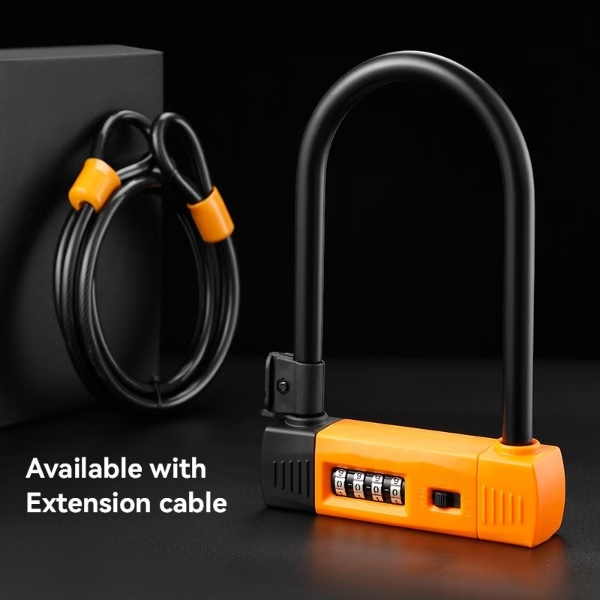
1. U-Locks (or D-Locks)
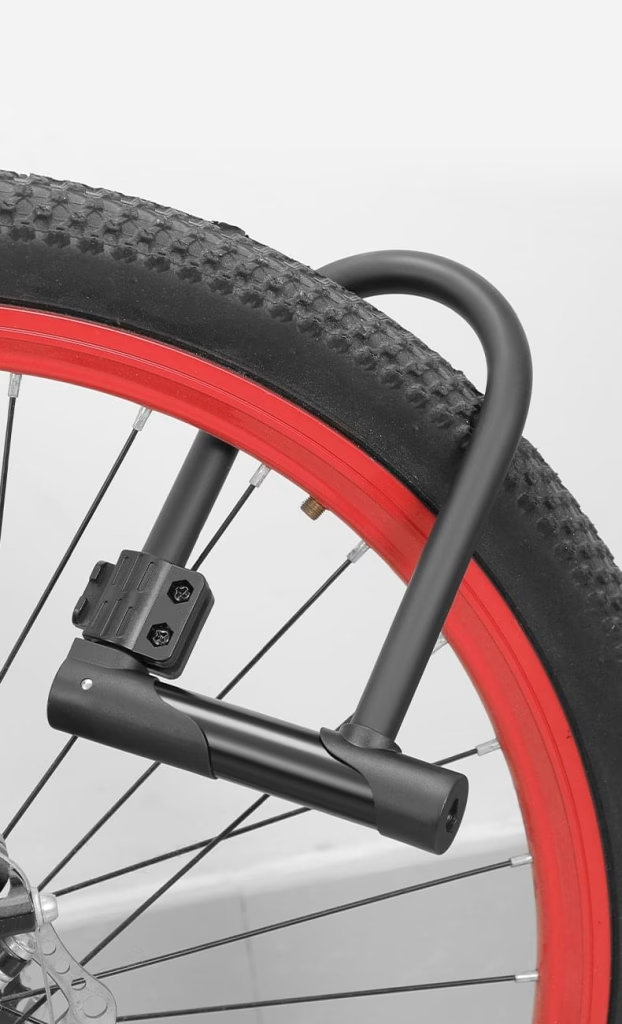
What they are: The classic, heavy-duty choice. Made from a single piece of hardened steel bent into a “U” or “D” shape with a crossbar locking mechanism. Extremely resistant to cutting attacks like bolt cutters. Offers a high security-to-weight ratio. Can be heavy and inflexible. Their fixed size can sometimes make it tricky to find a perfect spot to lock both your frame and wheel to a solid object. Best for: Urban commuters who need strong, daily security for short to medium stops.
2. Chain Locks
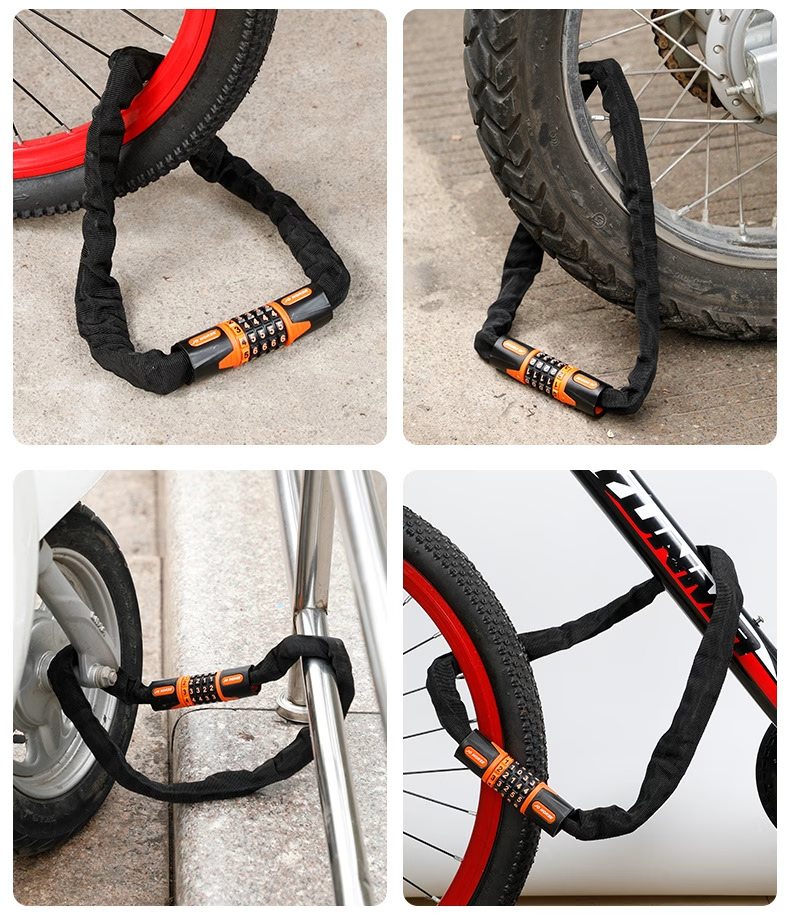
Essentially, a heavy-duty chain made of hardened steel links, covered in a protective fabric sleeve (to prevent scratches), and secured with a robust padlock. Highly versatile and flexible. You can wrap them around large, irregularly shaped objects like lampposts, trees, and fence posts with ease. High-security chains are very heavy, mini chain locks are very popular, weight is around 0.5lbs. The level of protection depends entirely on the thickness and material of the chain links. Best for: Securing bikes in varied locations and for those who need to lock their bike to larger objects. Also great for combining with a U-lock for maximum security.
3. Folding Locks
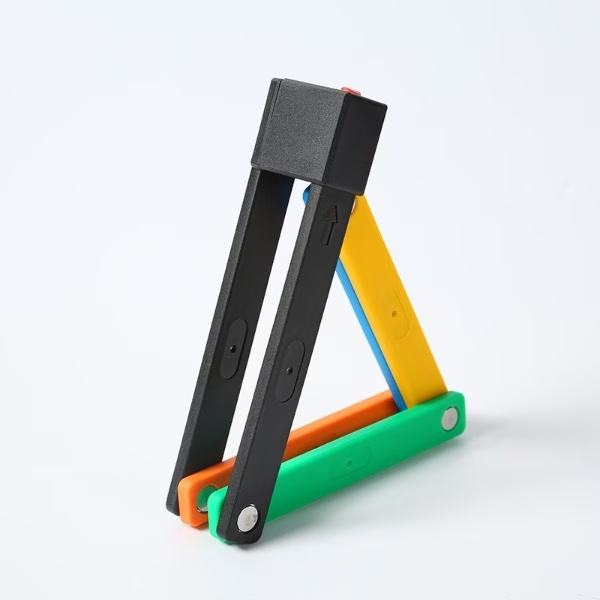
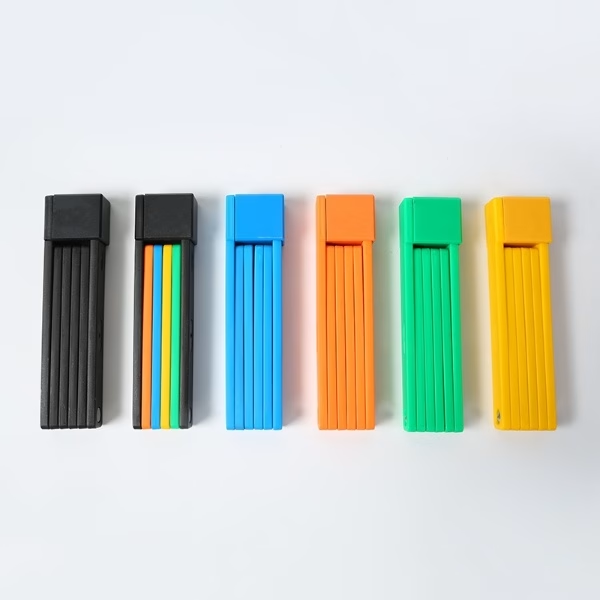
What they are: A modern design consisting of rigid metal plates (or bars) connected by robust rivets, which fold together neatly and are locked into place with a mechanism at the handle. A great balance of security and portability. They are compact when folded, making them easy to mount on your bike frame. They offer more flexibility than a U-lock while being more resistant to bolt cutters than a cable. The locking points (the rivets) can be a potential weakness if not made from high-quality materials. Best for: City riders looking for a good mix of security, convenience, and low weight.
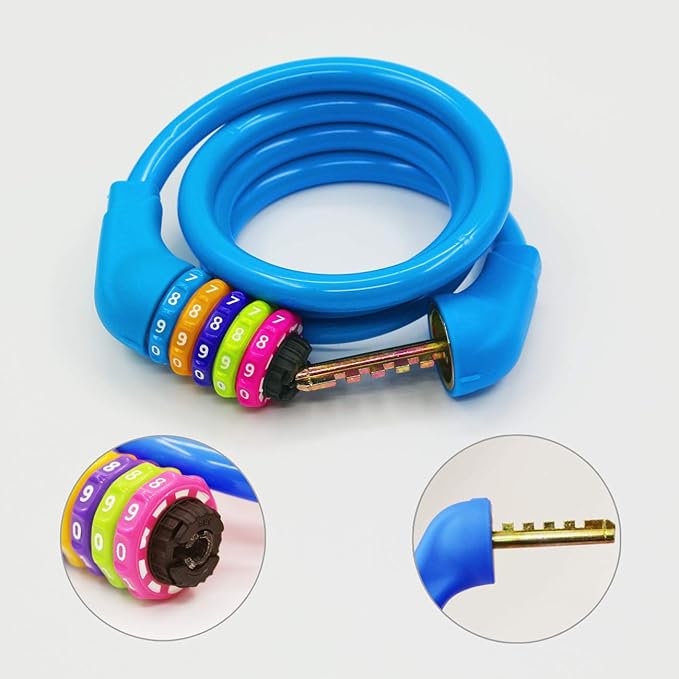
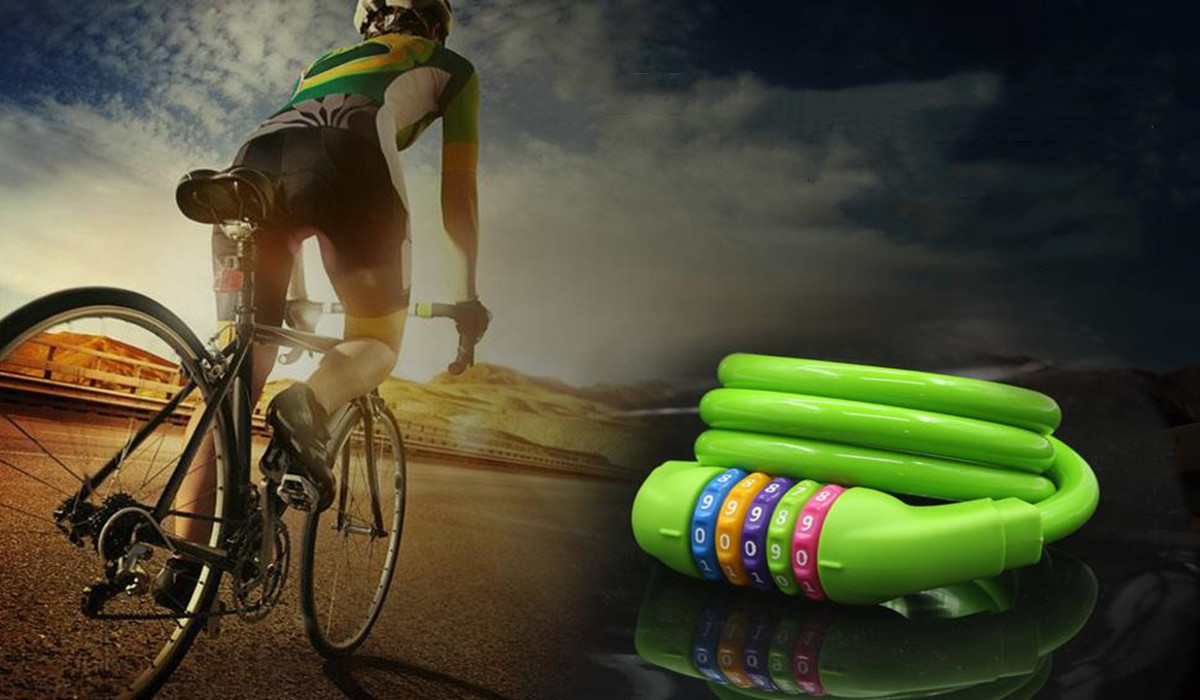
4. Cable Locks
What they are: Cables made of steel wires, often coated in plastic. They can be coiled up and are typically secured with a combination or key lock. Very lightweight, highly portable, and inexpensive. Perfect for securing components like wheels or saddles. Offer the multi color or style of option. Best for: Low-risk areas, or kids locks or as a secondary lock to secure your front wheel alongside a primary U-lock or chain.
5. Smart Locks
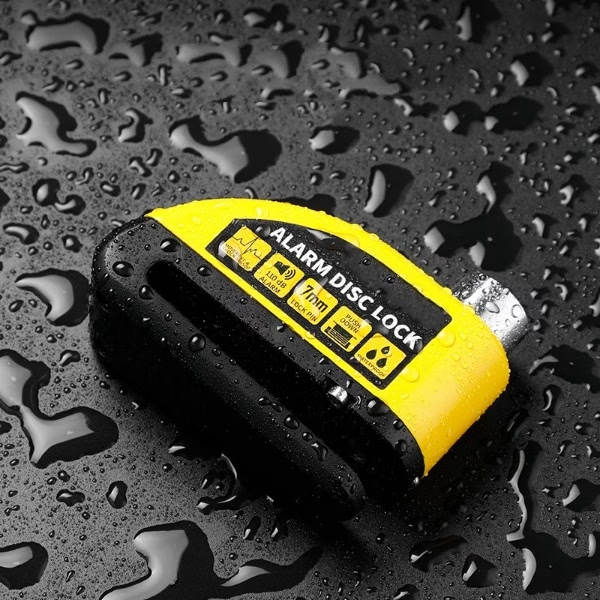
What they are: The new kids on the block. These locks integrate technology, often using a Bluetooth or cellular connection to your smartphone for keyless locking/unlocking. Some feature alarms that sound if tampered with. Ultimate convenience and cool features like remote locking and activity alerts through an app. Expensive than regular locks. Their physical security can vary, and they rely on battery power. It’s crucial to check the lock’s physical construction to ensure the core security is up to par. Best for: Tech-savvy riders in urban environments who value convenience and are willing to invest in the latest technology.
6. The Hybrid Locks
For the best security, many experts recommend using two different types of locks—for example, a U-Lock and a Cable Lock. This “dual-lock” strategy forces a thief to use two completely different sets of tools to steal your bike, which significantly increases the time, effort, and risk for them, making your bike a much less attractive target. Use the U-lock to secure the frame and rear wheel to a solid object, and the cable to secure the front wheel.